
Introduction to Nutrient Information
This educational resource provides general information about vitamins, minerals, and their natural sources in everyday foods. The content presented here is purely informational and aims to explain basic nutritional concepts found in common dietary patterns.
Vitamins and minerals are naturally occurring compounds found in various foods. Different food groups contain different types and amounts of these nutrients. Understanding where these nutrients come from in everyday diet can contribute to general nutritional knowledge.
The information provided focuses on factual descriptions of nutrient content in whole foods, without making recommendations or promises about individual outcomes. Everyone's nutritional context is different, and this site simply presents general educational material.
Vitamins in Focus
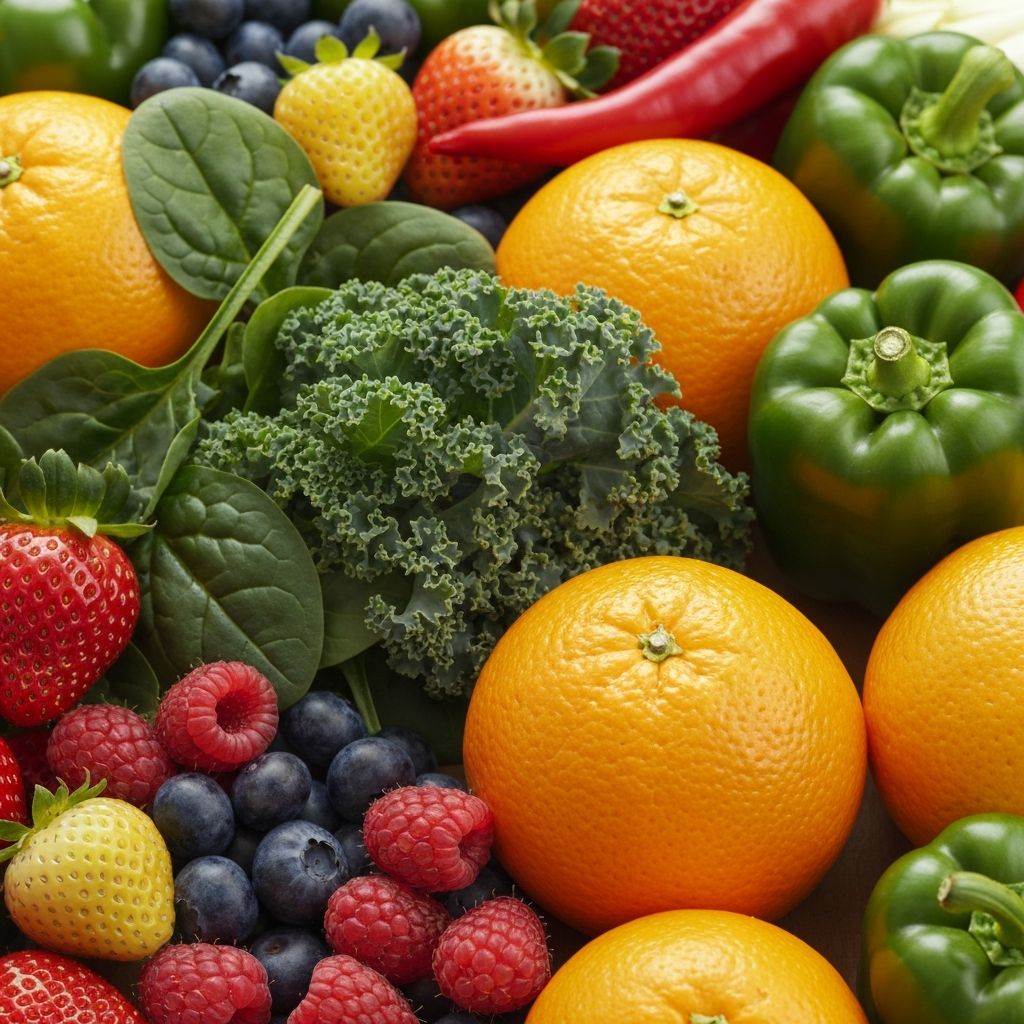
Common Vitamins in Everyday Foods
Various vitamins are present in different food categories. Water-soluble vitamins such as vitamin C and B-complex vitamins are found in fruits, vegetables, whole grains, and legumes. Fat-soluble vitamins including A, D, E, and K are present in foods containing dietary fats.
Vitamin A
Vitamin A exists in two forms in food: preformed vitamin A in animal products and provitamin A carotenoids in plant foods. Orange and yellow vegetables like carrots and sweet potatoes contain beta-carotene. Dark leafy greens also provide carotenoids. Animal sources include dairy products and fish.
B Vitamins
The B vitamin group includes several distinct compounds. Whole grains, legumes, nuts, seeds, and leafy vegetables contain various B vitamins. B12 is found primarily in animal-derived foods such as fish, dairy, and eggs.
Vitamin C
Vitamin C is abundant in many fruits and vegetables. Citrus fruits, berries, peppers, tomatoes, and leafy greens are common dietary sources. This vitamin is water-soluble and sensitive to heat and storage.
Vitamin D
Vitamin D can be synthesized by the body through sun exposure. Dietary sources include fatty fish, egg yolks, and fortified foods. The amount present in foods varies considerably.
Vitamin E
Vitamin E is found in plant oils, nuts, seeds, and green vegetables. Wheat germ, sunflower seeds, almonds, and spinach are examples of food sources containing this fat-soluble vitamin.
Vitamin K
Vitamin K is present in green leafy vegetables, broccoli, and Brussels sprouts. Some fermented foods and certain oils also contain this vitamin.
Natural Food Sources
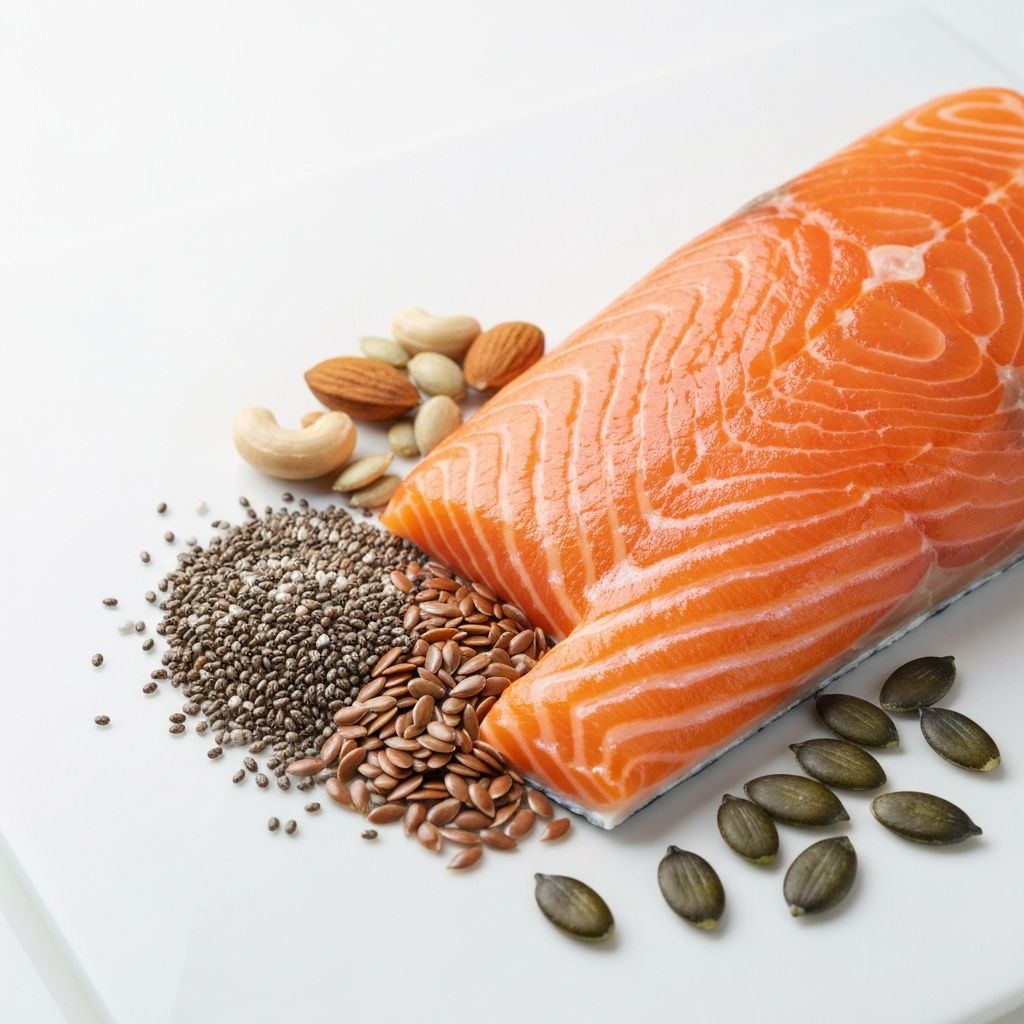
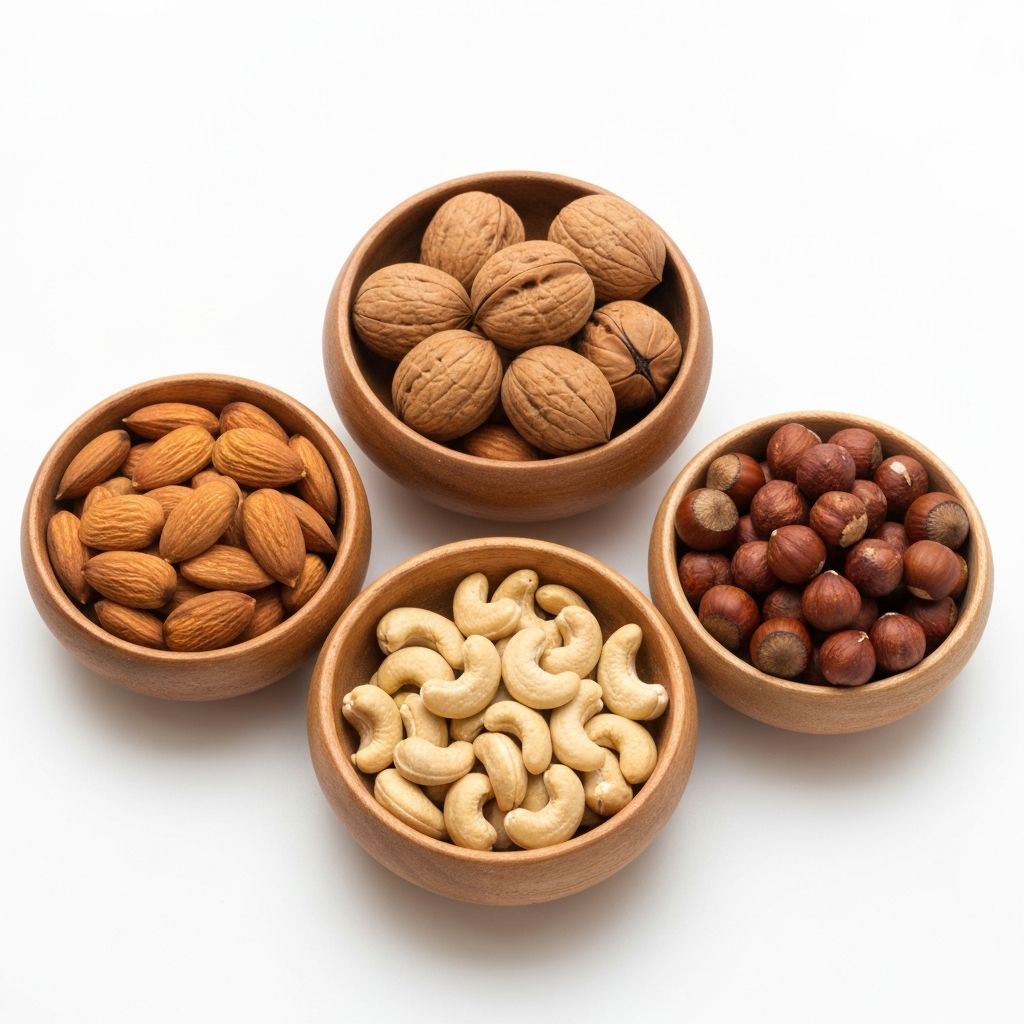
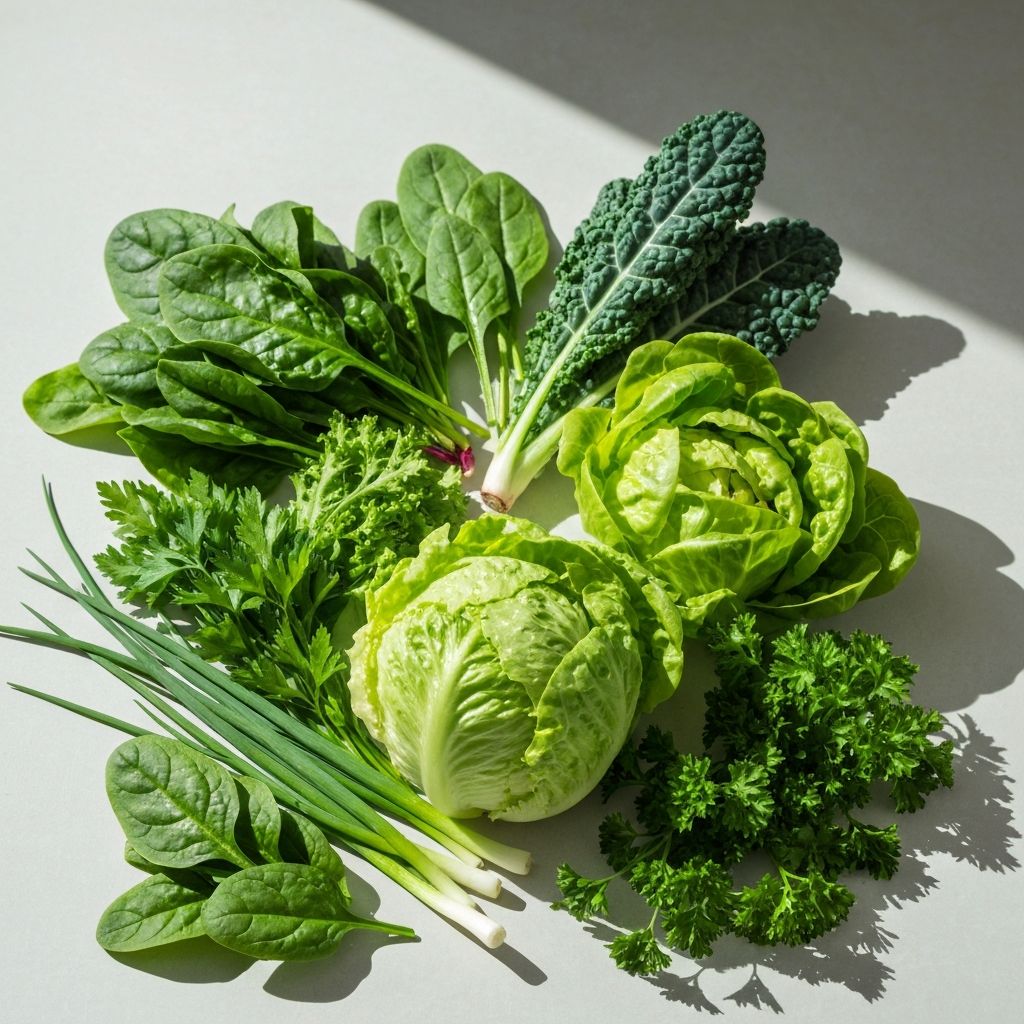
Mineral Content in Common Foods
Minerals are inorganic elements that occur naturally in soil and water and are absorbed by plants or consumed by animals. Humans obtain minerals through food consumption.
Zinc
Zinc is found in shellfish, meat, legumes, seeds, nuts, and whole grains. Pumpkin seeds, chickpeas, cashews, and quinoa are plant-based sources. Animal sources include oysters and red meat.
Magnesium
Magnesium is present in leafy green vegetables, nuts, seeds, legumes, and whole grains. Spinach, almonds, black beans, and brown rice contain this mineral. Dark chocolate also contains magnesium.
Selenium
Selenium content in food depends on soil levels where plants are grown or animals are raised. Brazil nuts are notably high in selenium. Fish, whole grains, and eggs also provide selenium.
Iron
Iron exists in two forms in food: heme iron in animal products and non-heme iron in plant foods. Red meat, poultry, and fish contain heme iron. Legumes, fortified grains, and leafy greens provide non-heme iron.
Omega-3 Fatty Acids
Omega-3 fatty acids are found in fatty fish such as salmon, mackerel, and sardines. Plant sources include flaxseeds, chia seeds, walnuts, and hemp seeds. These are essential fatty acids that must come from diet.
| Food Category | Examples | Notable Nutrients |
|---|---|---|
| Fatty Fish | Salmon, Mackerel, Sardines | Omega-3, Vitamin D, B Vitamins, Selenium |
| Nuts and Seeds | Almonds, Walnuts, Pumpkin Seeds | Vitamin E, Magnesium, Zinc, Healthy Fats |
| Leafy Greens | Spinach, Kale, Swiss Chard | Vitamins A, C, K, Iron, Magnesium |
| Whole Grains | Quinoa, Brown Rice, Oats | B Vitamins, Selenium, Magnesium, Fiber |
| Legumes | Lentils, Chickpeas, Black Beans | Iron, Zinc, B Vitamins, Fiber |
| Citrus Fruits | Oranges, Lemons, Grapefruits | Vitamin C, Fiber, Folate |
General Role in Diet

Vitamins and minerals perform various functions in human biochemistry. They participate in numerous metabolic processes, enzyme reactions, and cellular functions throughout the body.
Different nutrients have different roles. Some participate in energy metabolism, others in cellular structure, immune function, or antioxidant processes. The specific functions are complex and interconnected.
Nutrient needs vary among individuals based on numerous factors including age, activity level, overall health status, and individual biochemistry. No single dietary pattern applies universally to all people.
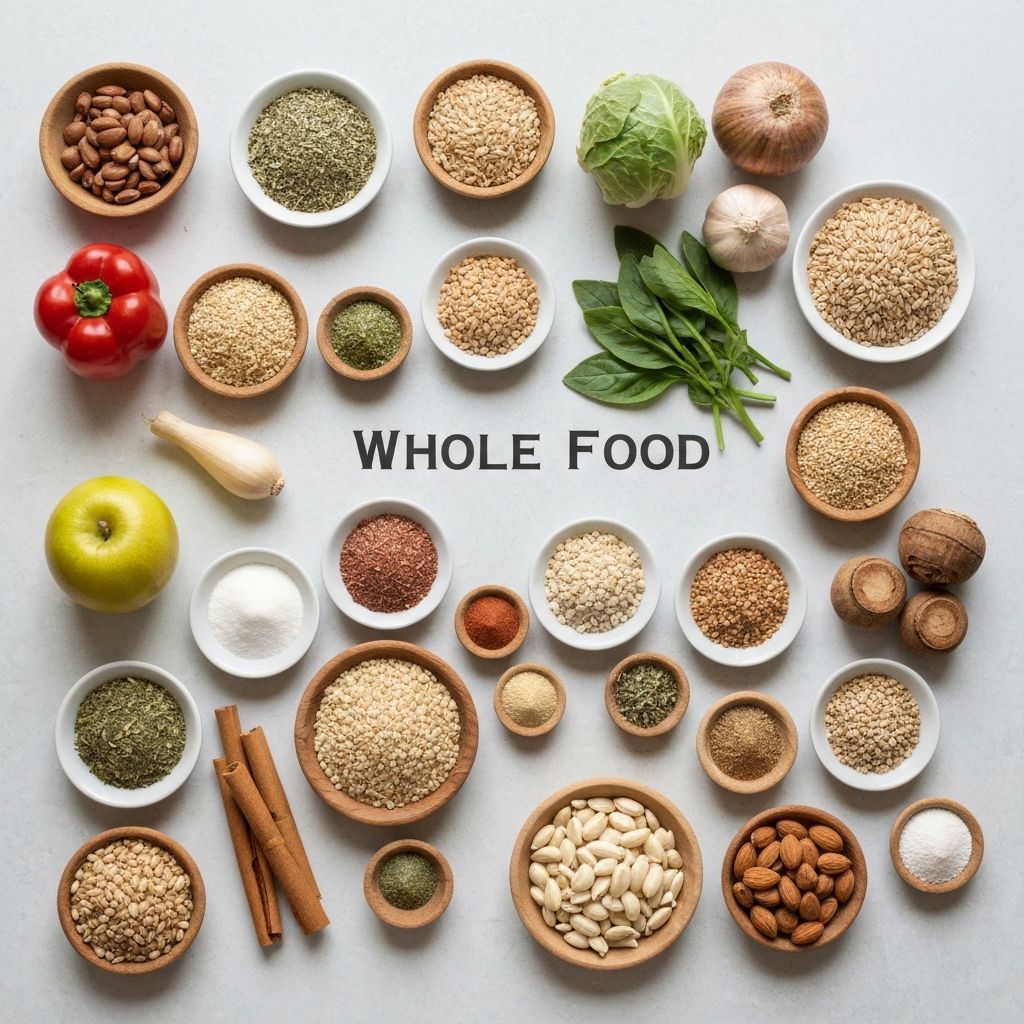
Whole food sources provide nutrients in combination with other food components such as fiber, phytochemicals, and other bioactive compounds. The nutrient content can vary based on growing conditions, storage, and preparation methods.
Common Misconceptions
Understanding Nutrient Complexity
There are several common misunderstandings about vitamins and minerals that deserve clarification from an educational perspective.
More Is Not Always Better
Nutrients function within specific ranges. Both insufficient and excessive amounts can affect normal functioning. The relationship between nutrient intake and biological effects is not linear.
Individual Variation Exists
People absorb and utilize nutrients differently based on genetics, gut microbiome composition, overall diet pattern, and health status. Population averages do not reflect individual requirements.
Food Matrix Matters
Nutrients in whole foods exist within a complex matrix of other compounds. The presence of fiber, fats, proteins, and other substances affects how nutrients are absorbed and utilized. Isolated nutrients behave differently than nutrients in whole food contexts.
Timing and Combinations
Some nutrients affect the absorption of others. For example, vitamin C can enhance non-heme iron absorption, while certain compounds in tea and coffee may reduce it. These interactions are complex and context-dependent.
Typical Food Patterns
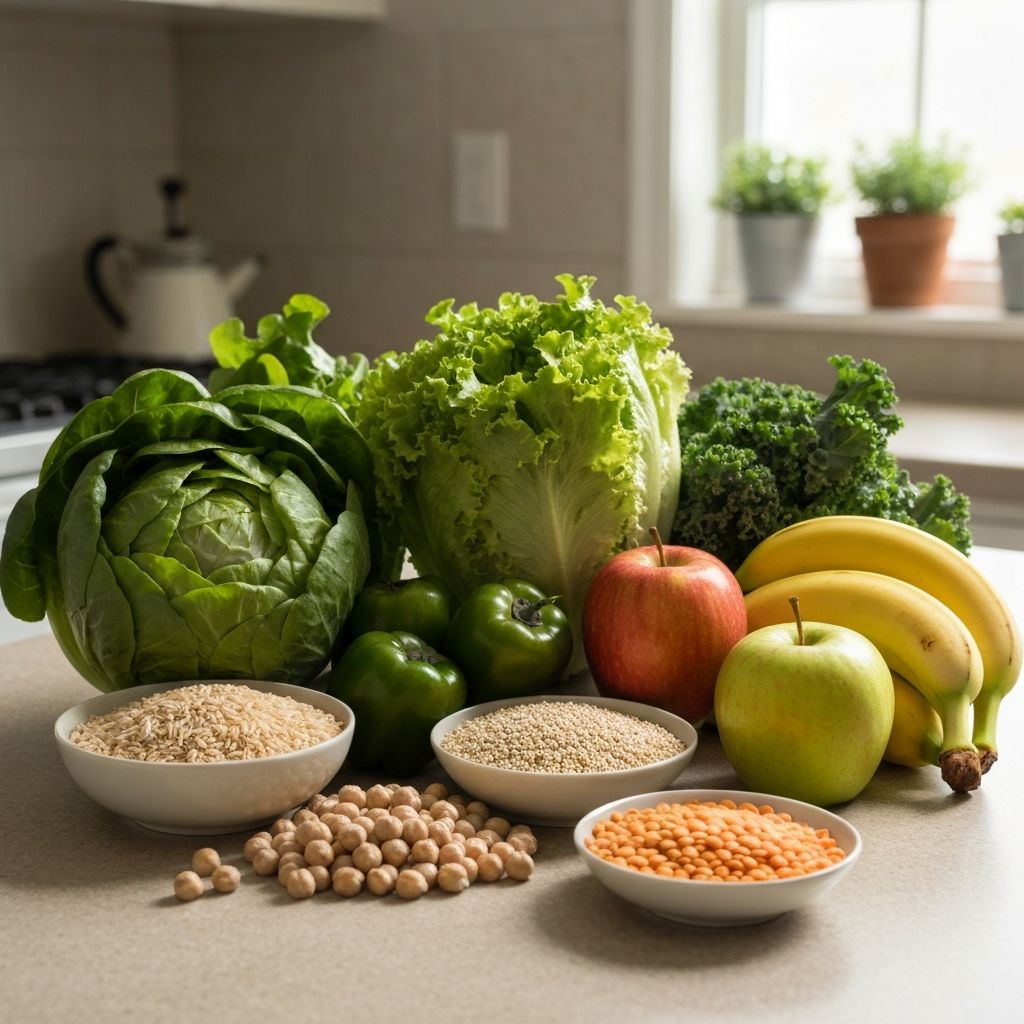
Different dietary patterns around the world provide nutrients in various combinations. Mediterranean, Nordic, Asian, and other regional eating patterns all contain different distributions of vitamins and minerals based on local food availability and cultural preferences.
Traditional Slovenian cuisine includes a variety of whole foods such as vegetables, grains, dairy products, and seasonal produce. Local food patterns have evolved over time based on agricultural practices and geographical conditions.
Modern food environments differ from historical contexts. Food availability, processing methods, storage techniques, and agricultural practices all influence the nutrient content and variety of available foods.
Individual food choices are influenced by numerous factors including taste preferences, cultural background, economic considerations, cooking skills, and personal beliefs. There is no single correct way to obtain nutrients from food.
Basic Research Notes
Scientific understanding of nutrition continues to evolve. Research methodologies in nutrition science include observational studies, controlled trials, mechanistic research, and epidemiological investigations. Each type of research has strengths and limitations.
Nutritional science is complex because it involves studying free-living humans whose diets and lifestyles vary considerably. Isolating the effects of single nutrients or foods is challenging. Research findings must be interpreted within their methodological context.
Population-level recommendations are based on averaging data across many individuals. These may not apply directly to any specific person. Individual variation in genetics, metabolism, gut microbiome, and lifestyle means that responses to dietary patterns differ among people.
Scientific consensus develops over time as evidence accumulates. Current understanding may change as new research emerges and methodologies improve. What is known today represents the best available evidence at present, not absolute truth.
Limitations and Context
This website provides general educational information only. The content describes factual information about nutrients in foods and does not constitute personal advice, recommendations, or guidance.
Individual nutritional needs vary greatly. This information is not intended to replace consultations with qualified professionals who can assess individual circumstances.
No outcomes, results, or benefits are promised or implied. The information presented here is for educational purposes and should not be interpreted as suggesting specific actions.
Different approaches to nutrition exist, and various dietary patterns can support health. This site presents information neutrally without endorsing any particular approach.
Continue Learning
Explore more general information about vitamins, minerals, and natural food sources.
Discover More Information